
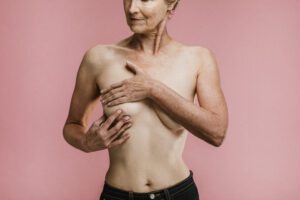
Undergoing breast cancer surgery is a profound physical and emotional experience. Alongside scar healing and recovery from surgery, many women have questions about what their scars will look and feel like — and how to support their body long after surgery.
If you’ve had a mastectomy, lumpectomy, reconstruction, or lymph node removal, understanding scar formation and the options available for healing can empower you to feel more comfortable and confident in your body.
What to Expect After Breast Cancer Surgery
Post-mastectomy scars vary depending on the type of surgery performed, your body’s healing response, and whether radiation therapy was involved. You may notice:
Tightness or pulling across the chest wall
Numbness or altered sensation
Thickened, raised, or puckered scar lines
Sensitivity or tenderness
Restricted shoulder or upper body movement
These sensations are common. Scars are not just surface marks — they form through multiple layers of skin, fascia, and deeper connective tissues. Wherever the surgeon’s knife has been, and wherever tissues and organs were even temporarily displaced, scar tissue and adhesions may develop.
Over time, scar tissue can tighten and bind surrounding tissues together, sometimes contributing to discomfort or limited mobility.
Understanding Adhesions and Scar Tissue
Research shows that scar tissue and adhesions are extremely common after surgery. One study reports that 93% of patients who undergo abdominal surgery develop adhesions (Ward BC, Panitch A., Journal of Surgical Research).
Adhesions can become tighter and more restrictive as time passes, sometimes creating symptoms years after surgery. While that research focuses on abdominal procedures, the principle applies broadly: surgical intervention can lead to internal binding within the fascial system.
For women who have undergone breast cancer surgery — especially when combined with reconstruction or radiation therapy — scar tissue can affect not only appearance but comfort, posture, lymphatic flow, and movement.
Scar Tissue Therapy: A Gentle Approach to Healing
Scar Tissue Therapy (also known as Scar Tissue Release Therapy or Scar Work) is a deeply restorative modality that uses light, gentle techniques to support change within connective tissue.
Rather than aggressively manipulating the scar, this approach focuses on:
Supporting the fascial system
Encouraging tissue mobility
Reducing internal adhesions
Restoring function and comfort
These techniques are subtle and respectful of the body’s healing process.
The Aim of Scar Tissue Release Is To:
Reduce pain and restriction
Improve internal function
Restore nerve function (including numbness, pain, or altered sensitivity) Su
Enhance movement of surrounding tissues to reduce pulling and sticking
Improve integration of scar tissue within the body
After treatment, scars may appear smoother and less puckered, but the primary goal is functional improvement within the deeper tissue layers.
The Far-Reaching Effects of Scars
Scars form in layers — not just at the surface. They can affect:
Superficial skin layers
Deep fascia
Muscles
Lymphatic pathways
Nerve pathways
This is why some women experience shoulder tightness, chest wall restriction, or altered sensation months or even years after surgery.
The good news? It’s never too late.
Even very old scars can respond positively to Scar Tissue Therapy. New scars may also be treated once they are fully healed, dry, and infection-free.
Caring for Post-Mastectomy Skin
In addition to professional therapy, you can support your healing with:
Gentle scar massage (once cleared by your healthcare provider) – at two weeks post-op once a scab is fully formed you can start very gentle techniques, applying organic rosehip oil (with same pressure as you would touch your eyelid when your eye is closed) along your scar line(s).
Silicone scar sheets or gels
Hydrating the skin with an organic Rosehip oil (full of skin healing Vitamin E)
Gradual mobility and stretching exercises
Protecting the area from sun exposure
Always consult your surgeon, oncology team, or a qualified scar therapy practitioner before beginning new treatments.
At 8-10 weeks post-op (always check with your surgeon before trying any new treatments) you can usually start gentle scar tissue therapy- you can learn lots of effective self-care techniques with guidance of a trained scart tissue therapist.
Emotional Recovery Matters Too
Scars tell a story — of strength, survival, and resilience. Yet it’s completely natural to experience complex feelings about changes to your body.
Recovery is not just physical. Reclaiming comfort in your skin may take time, compassion, and support. Many women find that addressing scar tissue physically can also support emotional integration, helping them feel more connected to their bodies again.
You Deserve Support With Your Recovery
Breast cancer surgery scars are a normal and expected part of treatment. With the right care and gentle, informed support it’s possible to reduce discomfort, improve mobility, and foster a more integrated relationship with your body.
Whether your scar is recent or decades old, meaningful recovery is still possible.