
The science behind movement and recovery
Exercise is one of the most effective tools for breast cancer recovery – and it’s backed by a growing body of research. A 2022 systematic review found that yoga interventions improved quality of life, reduced fatigue, anxiety, sleep issues, and emotional distress in breast cancer patients.[1]
In 2024, we built on our earlier pilot study with a full evaluation supported by Torbay Hospital’s Breast Care Unit and Health Innovation South West. The goal was to explore how the programme supports recovery and to inform future service development.
Using pre- and post-programme questionnaires, surveys, and in-depth interviews, we explored changes in physical fitness, flexibility, motivation, mood, confidence, and quality of life. Here’s what we found:
- Motivation and mindset: The vast majority of participants felt more motivated to make positive changes after completing the programme, often describing a shift in mindset around movement and self-care.
- Physical benefits: All survey participants reported improved physical fitness, and nearly all saw gains in flexibility. Many highlighted how Gentle Recovery helped them regain mobility, strength, and energy after treatment.
- Emotional support: Participants repeatedly shared how much they valued the emotional care within the programme, from breathing practices and relaxation, to simply feeling less alone during a vulnerable time.
- Lymphoedema and scar tissue: Most users felt more confident managing these physical side effects, with some describing daily routines that helped them feel more in control of their bodies again.
- Lasting lifestyle shifts: From walking more often to building daily rituals, many women said Gentle Recovery helped them rebuild their lives, and not just physically.
One participant shared:
“I feel like I’m a different person to the one who started. I now have a toolbox that helps me stay strong – physically, mentally and emotionally.”
Another described it as “being thrown a lifebuoy when you’re drowning” – a structured, accessible way back to feeling like yourself again.
Read the full evaluation summary
This is why movement, lymph drainage, and strength-building exercises are central to the Gentle Recovery Method.
[1] Selvan P et al., Complementary Therapies in Clinical Practice, 2022. DOI: https://doi.org/10.1016/j.ctcp.2022.101581
*Source: J Natl Cancer Inst. 2021 Jan; 113(1): 54–63. doi: 10.1093/jnci/djaa046
Endorsed by professionals who care
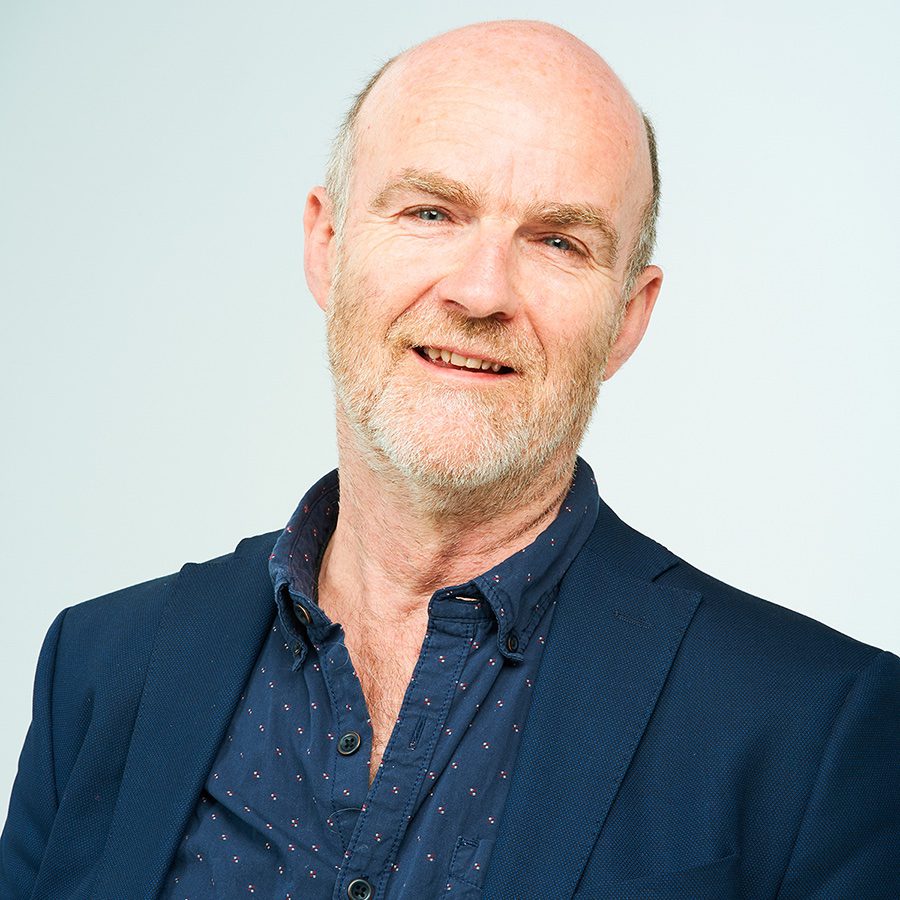
Gentle Recovery is supported by trusted voices in breast cancer care – including NHS consultants, integrative cancer advocates and international leaders in oncology exercise.
These ambassadors believe in the value of gentle, holistic, and evidence-informed recovery, and have seen the impact this work can have on people’s lives.


A method rooted in experience and evidence
Alongside the science and professional insight, the Gentle Recovery Method is built on personal understanding.
As a cancer exercise specialist and trauma-sensitive yoga teacher – and someone who has worked with hundreds of women in recovery – I created this programme to feel safe, flexible, and genuinely supportive.
Everything we offer is grounded in compassion, informed by evidence, and designed to help you feel more like yourself again.